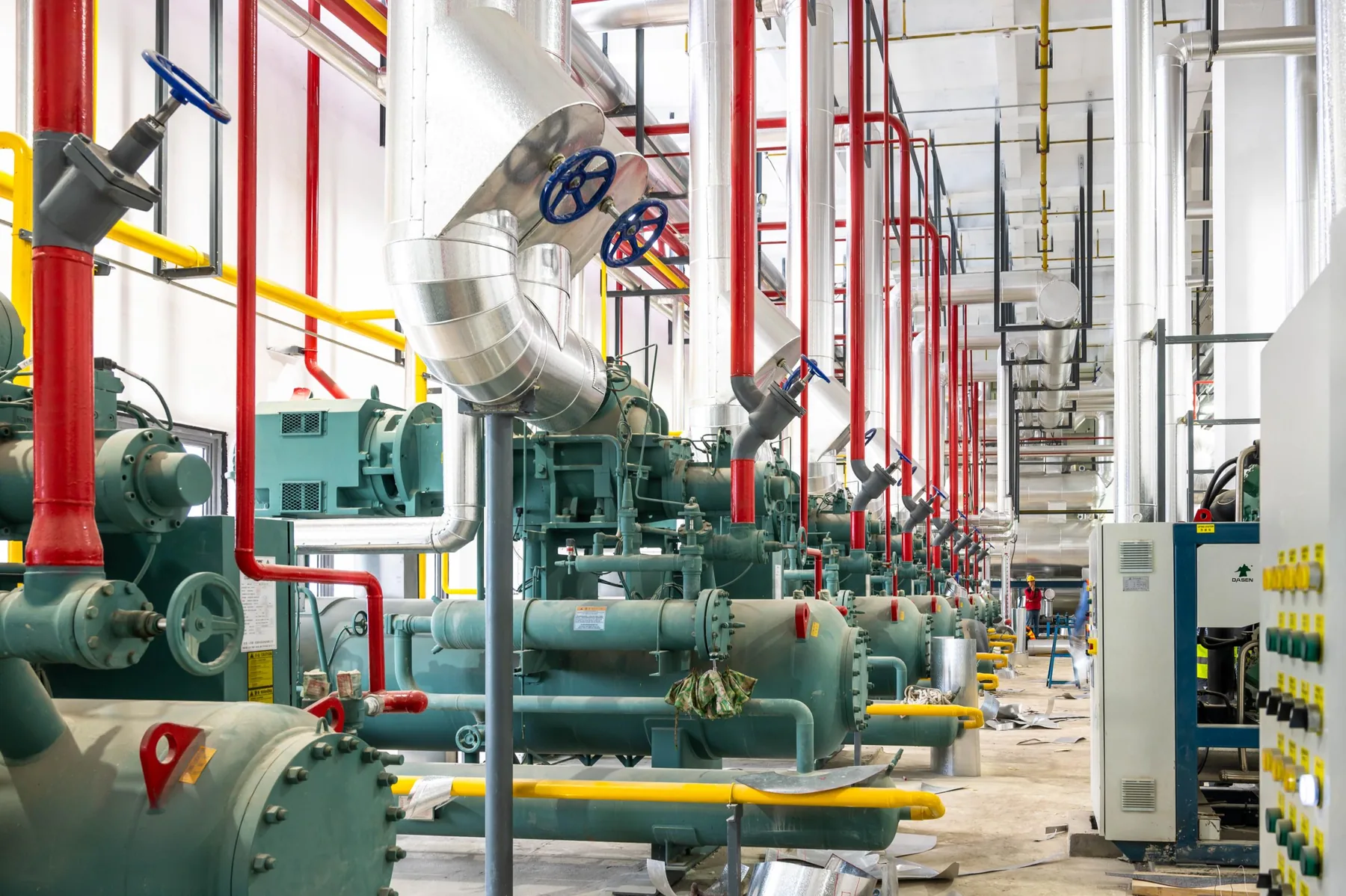
System planning
Start with product condition, room function, traffic, production rhythm and the local site constraints that shape a refrigeration architecture.
- Room and process inputs
- Architecture review
- Scope boundaries
Cold storage and process refrigeration
Plan cold storage, food processing and freezing projects around product flow, operating conditions and a practical delivery scope.
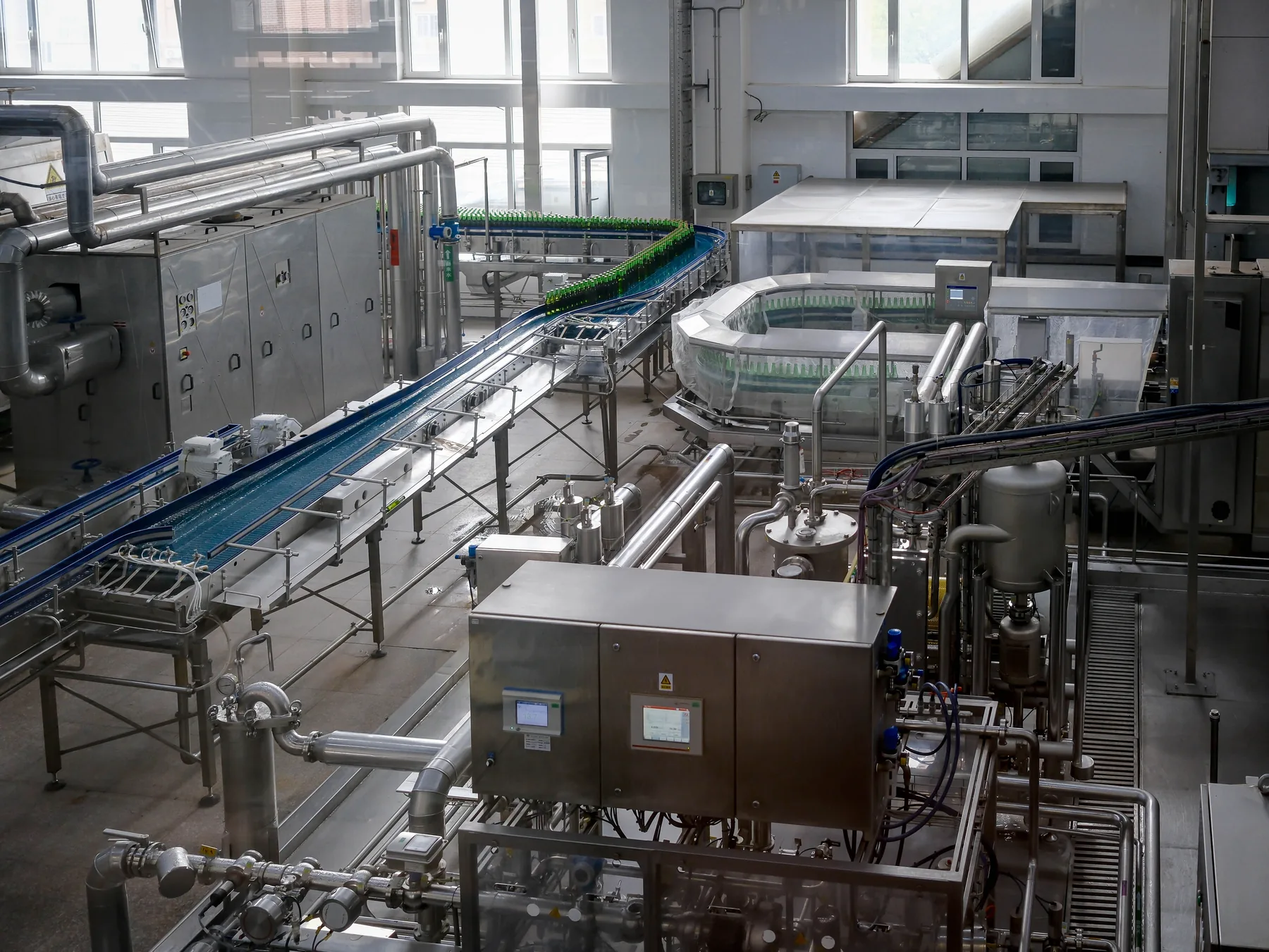
How we support a project
Start with product condition, room function, traffic, production rhythm and the local site constraints that shape a refrigeration architecture.
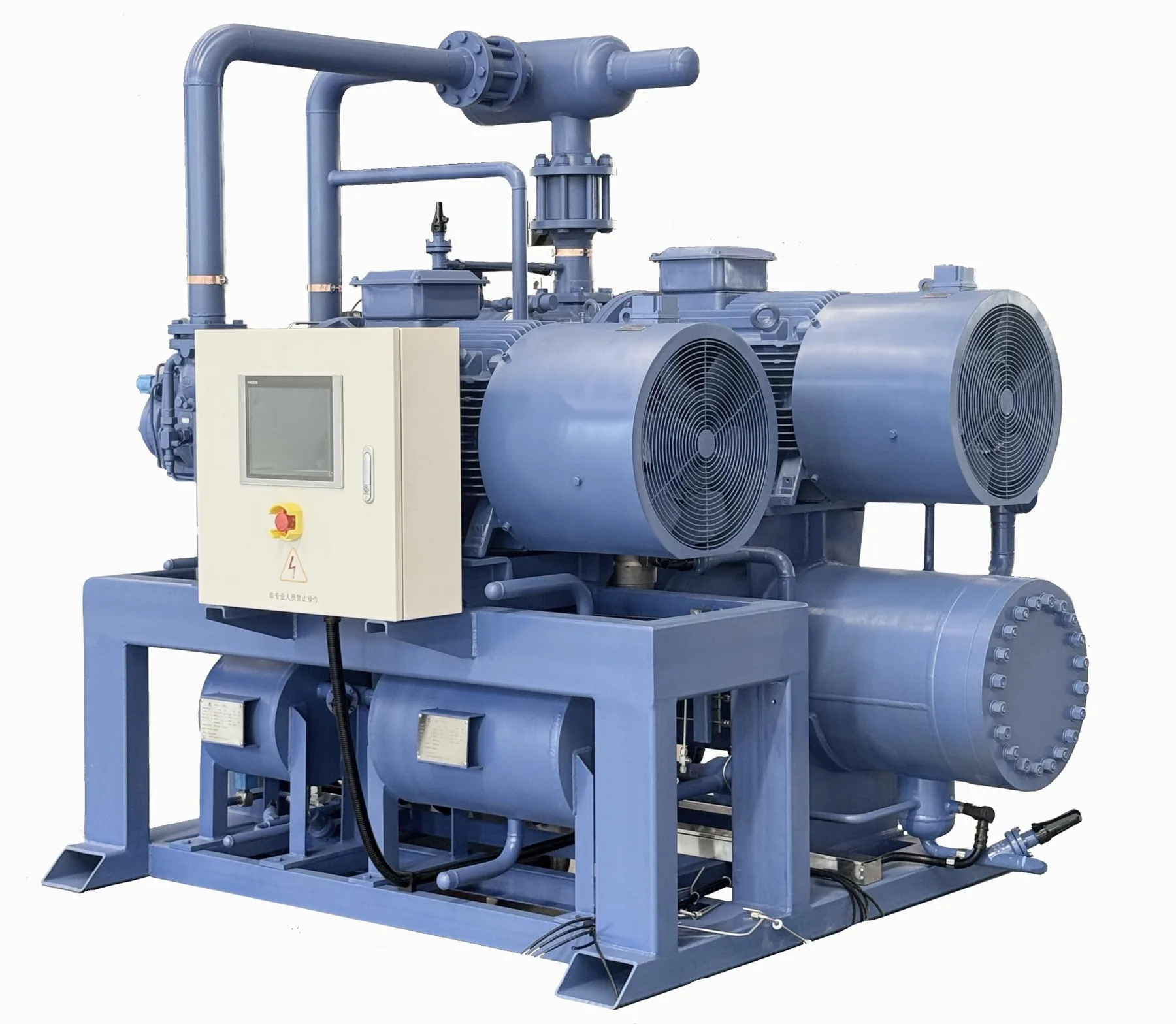
Review compressor packages, condensers, air coolers, controls and freezing equipment as connected parts of a system rather than isolated purchase items.
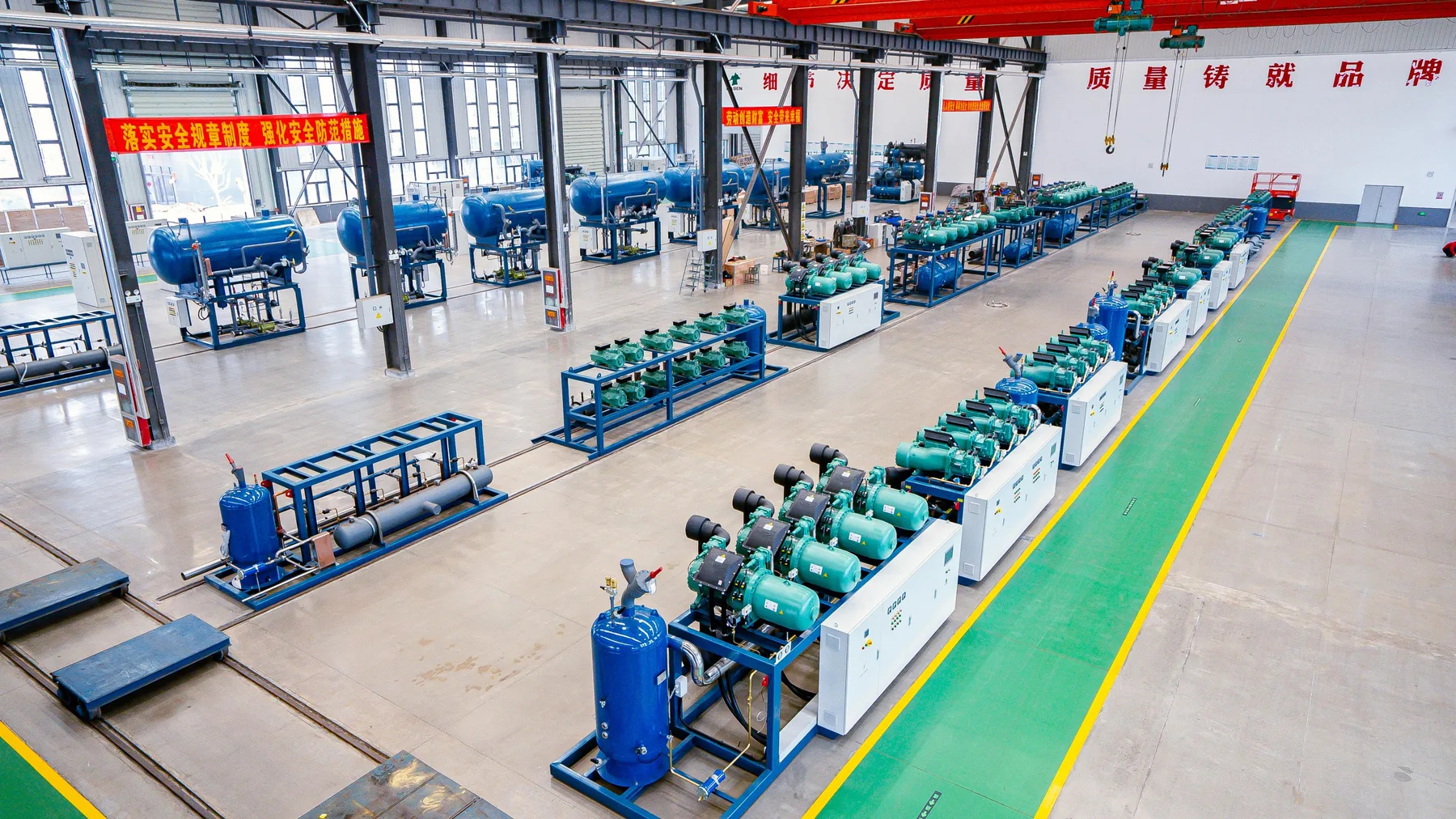
Clarify supply, local installation, electrical, controls, commissioning and handover responsibilities before the delivery sequence is fixed.
Applications and next steps
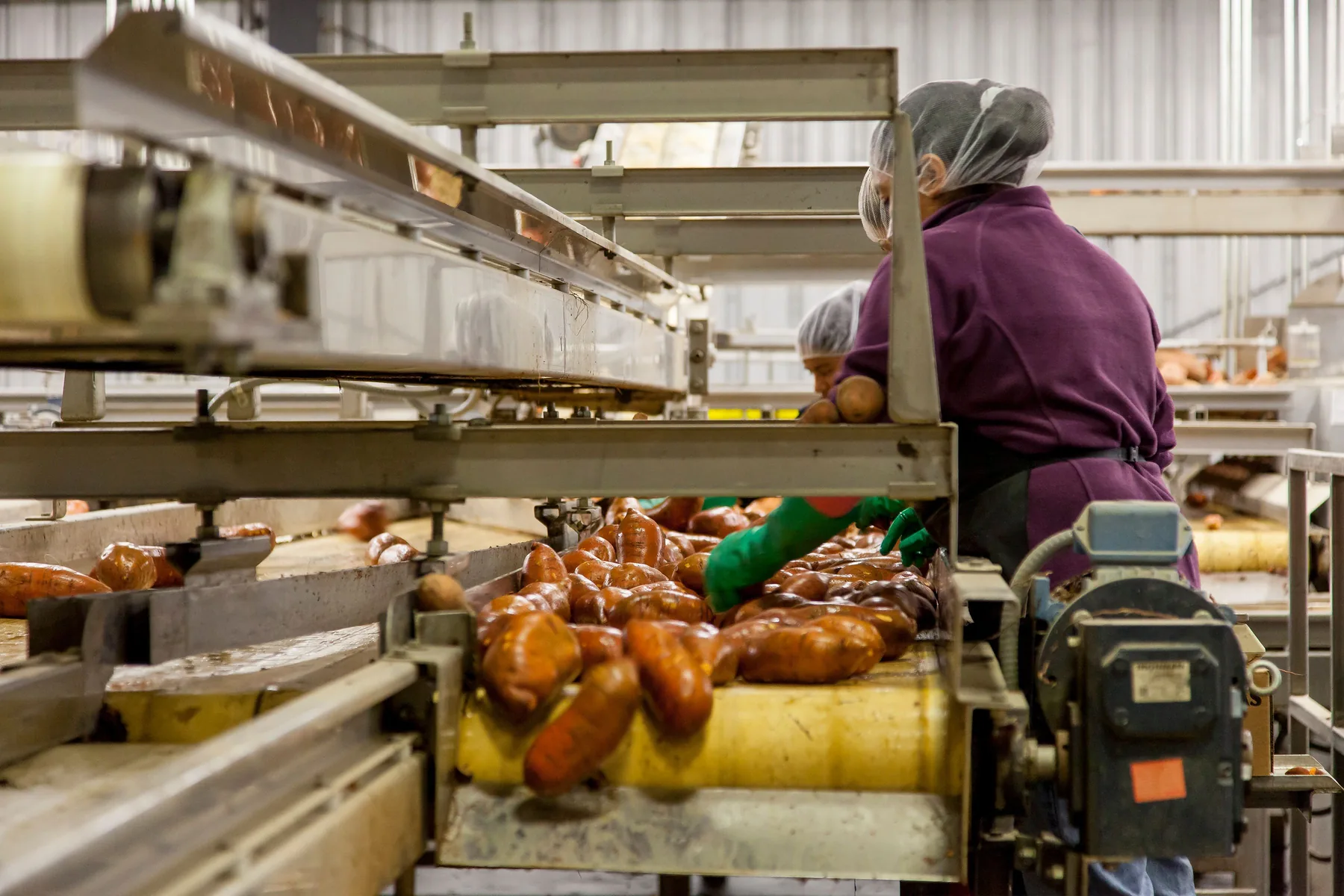
Follow receiving, hygiene separation, chilling and freezing requirements through the processing and storage sequence.
Review product handling, process throughput, washdown and frozen storage as separate but connected refrigeration questions.
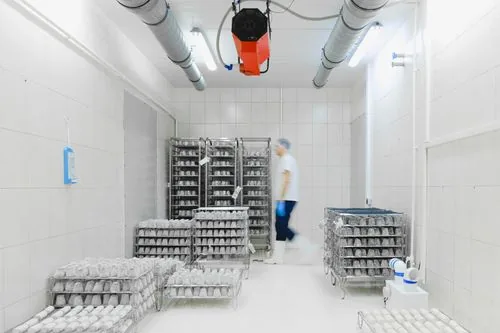
Plan pre-cooling and storage around product condition, room use, air distribution and operating schedule.
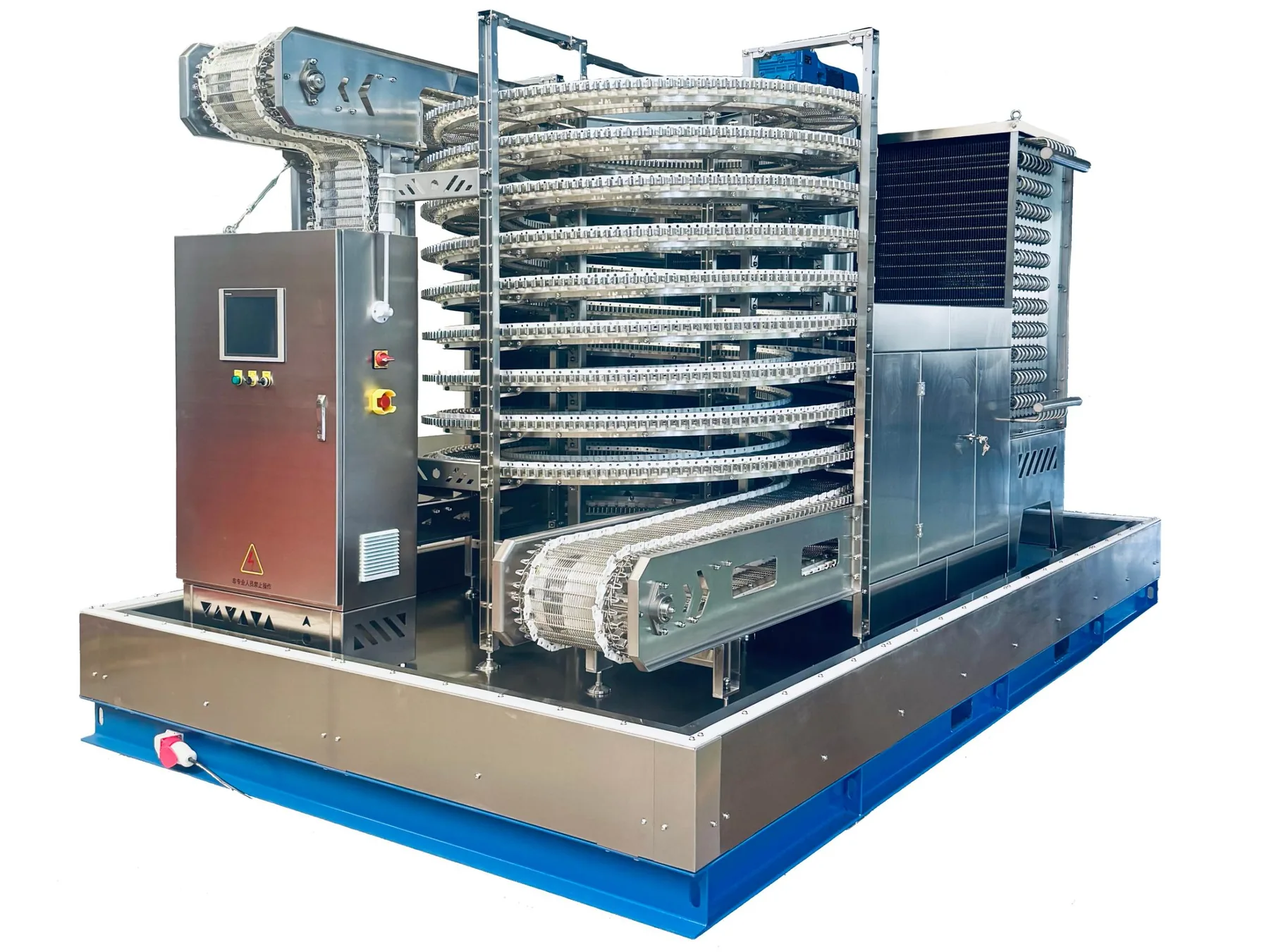
Keep process freezing, dwell time and frozen storage inventory distinct in the project brief.
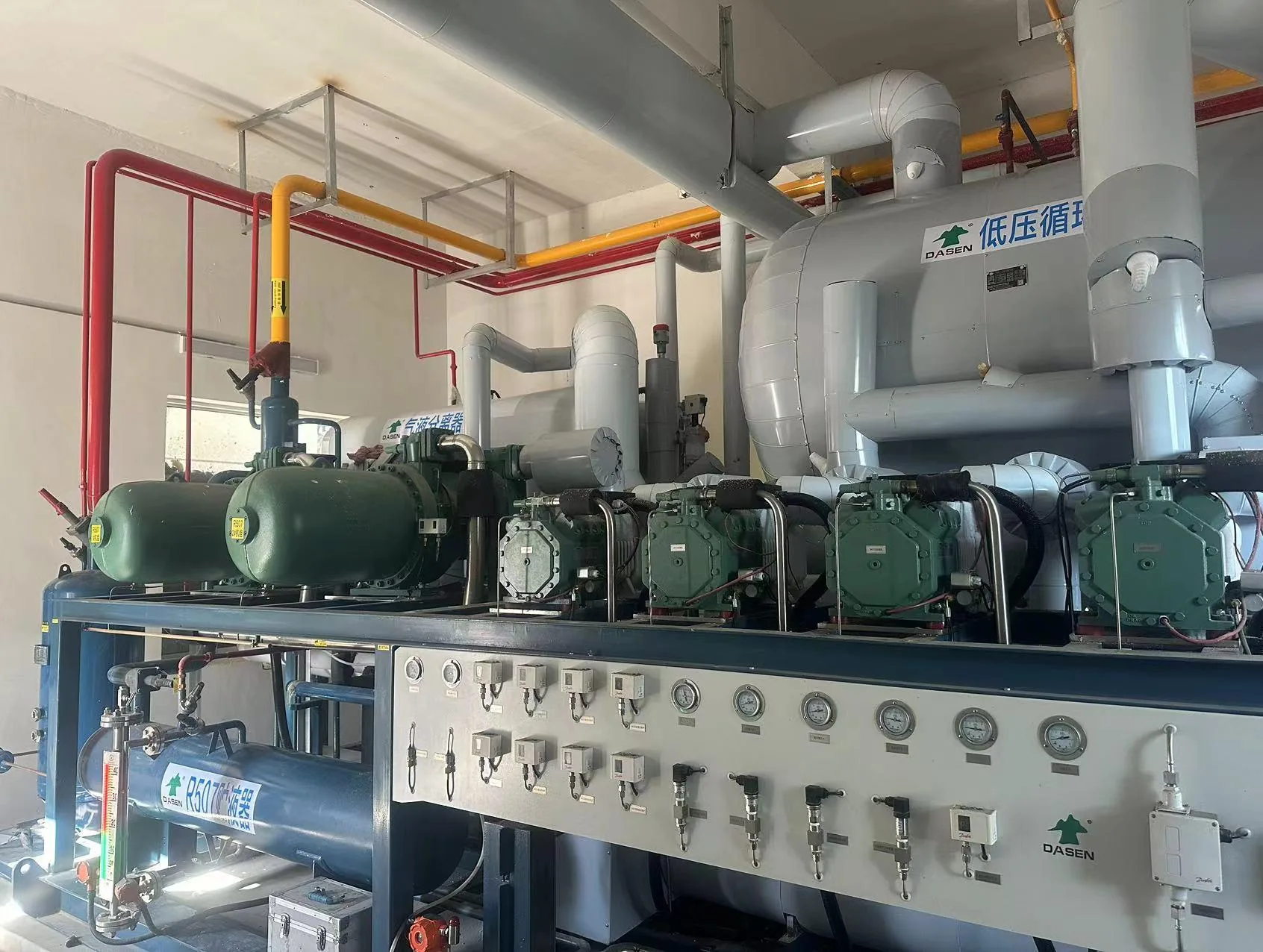
Coordinate temperature zones, docks, door activity, dispatch patterns and controls across the facility.
System overview
Each project connects machinery, heat rejection, room or process terminals and the controls that make daily operation visible.
01
A sound refrigeration brief begins with how product arrives, moves, is cooled or frozen and leaves the site. Room volume and inventory are useful business measures, but product temperature, daily intake, operating hours, doors, defrosting, ambient conditions and equipment access shape the system duty.
Bring the available facts together before equipment selection. That makes it easier to review what belongs to the refrigeration system, what belongs to the building or process line, and what is handled by local installation and commissioning partners.
02
Compressor packages, heat rejection, room air coolers, controls and process equipment need to work as a coordinated system. Freezing throughput is not storage capacity; a chilled receiving room is not a frozen warehouse; and a control panel does not replace a response workflow. The project conversation is clearer when each operating function is visible.
| Input group | Information to clarify | Why it changes the design |
|---|---|---|
| Product and process | Product state, incoming temperature, daily quantity and shift pattern | Defines pull-down and process duty rather than inventory alone. |
| Room operation | Target temperature, number of rooms, traffic and defrosting constraints | Affects evaporator duty, airflow, control logic and door-load allowance. |
| Site conditions | Ambient range, water quality, power and plant-room access | Shapes heat rejection, electrical interfaces and installation feasibility. |
| Project boundary | New build or retrofit, local contractor roles and timeline | Sets supply interfaces, surveys, risk controls and commissioning sequence. |
Questions to discuss
Start with product, target room temperature, dimensions, daily incoming quantity, operating pattern, project location, current stage and the scope you expect. Unknown values can be flagged for engineering assistance.
A preliminary configuration may be discussed, but an equipment duty should be confirmed against a documented project inputs and project interfaces before it is treated as a final selection.
Local installation, permits, civil work, electrical connection and commissioning roles are confirmed per project. They are not assumed to be included by default.
A clear next step
Use the Project Brief Builder to capture the available product, condition, room, throughput and scope information.