A transparent delivery boundary
Engineering, Equipment Supply and Project Support
Use this page to define the practical route from project information to equipment configuration, supply, local installation support, commissioning and handover. The site operator coordinates the enquiry; the actual supplier and engineering roles are identified in the project scope.
- Starting point
- Product, room, site and scope information
- Supply
- Configured equipment and agreed accessories
- Delivery
- Local work, commissioning and handover roles
01
Turn the project brief into a practical scope
The first step is to collect the product route, room list, target conditions, daily intake, process or storage duty, location, site utilities, layouts, project stage and requested delivery boundary. A brief can start with estimates and unknown fields; a clear list of missing information is more useful than an unsupported equipment assumption.
The project team uses this information to identify the refrigeration functions, equipment families, site interfaces and documents needed for the next discussion. It also helps decide whether the enquiry is equipment supply, an upgrade, a supply-plus-installation-support arrangement or a broader project-delivery scope.
02
Prepare the engineering and equipment configuration
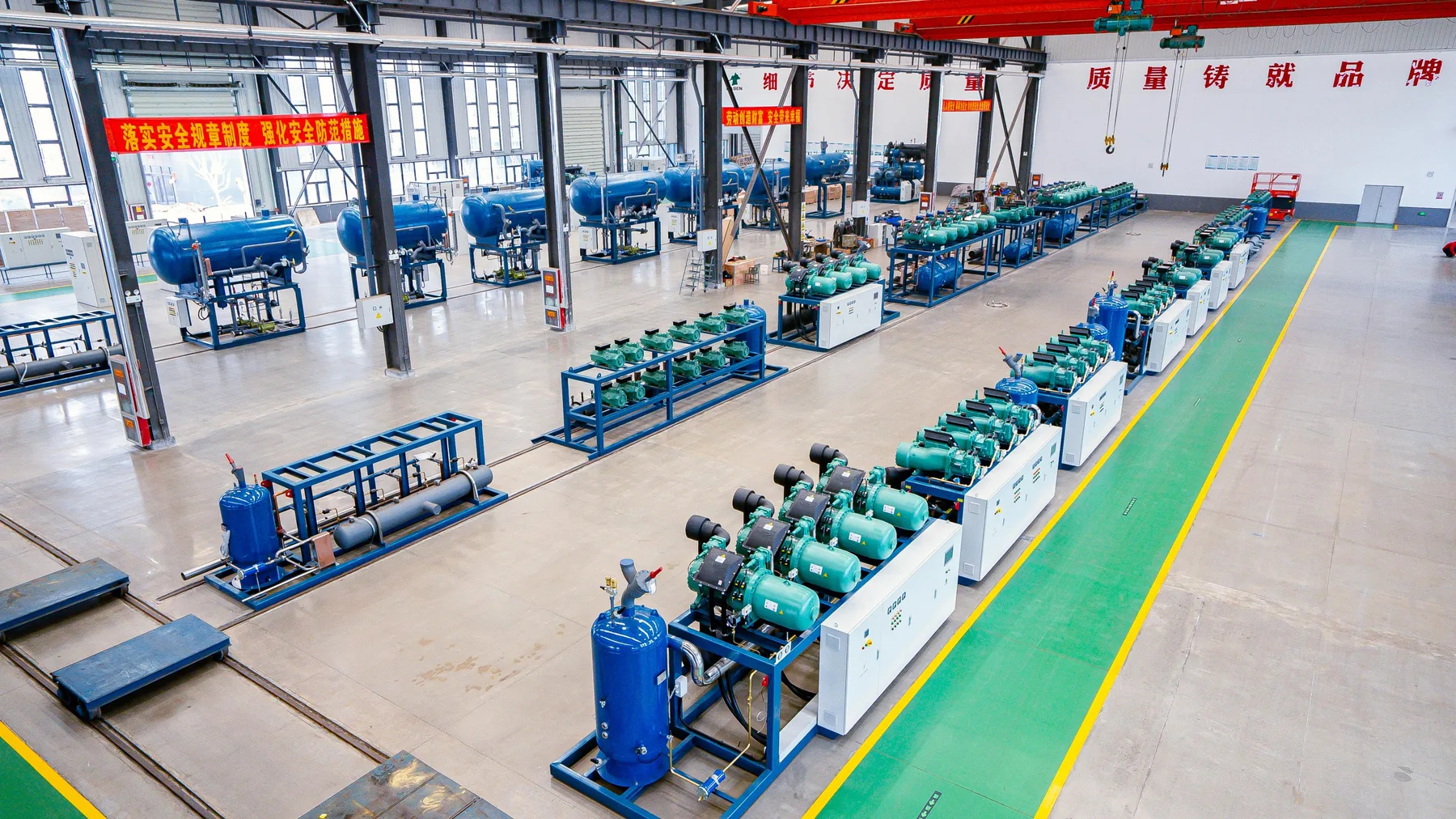
A configuration discussion connects compressor packages, heat rejection, room terminals, process equipment, controls, power and the available plant-room or roof/ground layout. The selected equipment must be based on the stated conditions, drawings and scope—not on a generic image or a historical project claim.
Where supplier technical information is relevant, it is connected to the equipment or configuration being considered. The neutral site operator does not present supplier factory history, certificates or projects as its own assets. The final supply list identifies the current equipment source and the items included for the specific enquiry.
03
Define equipment supply and local installation support
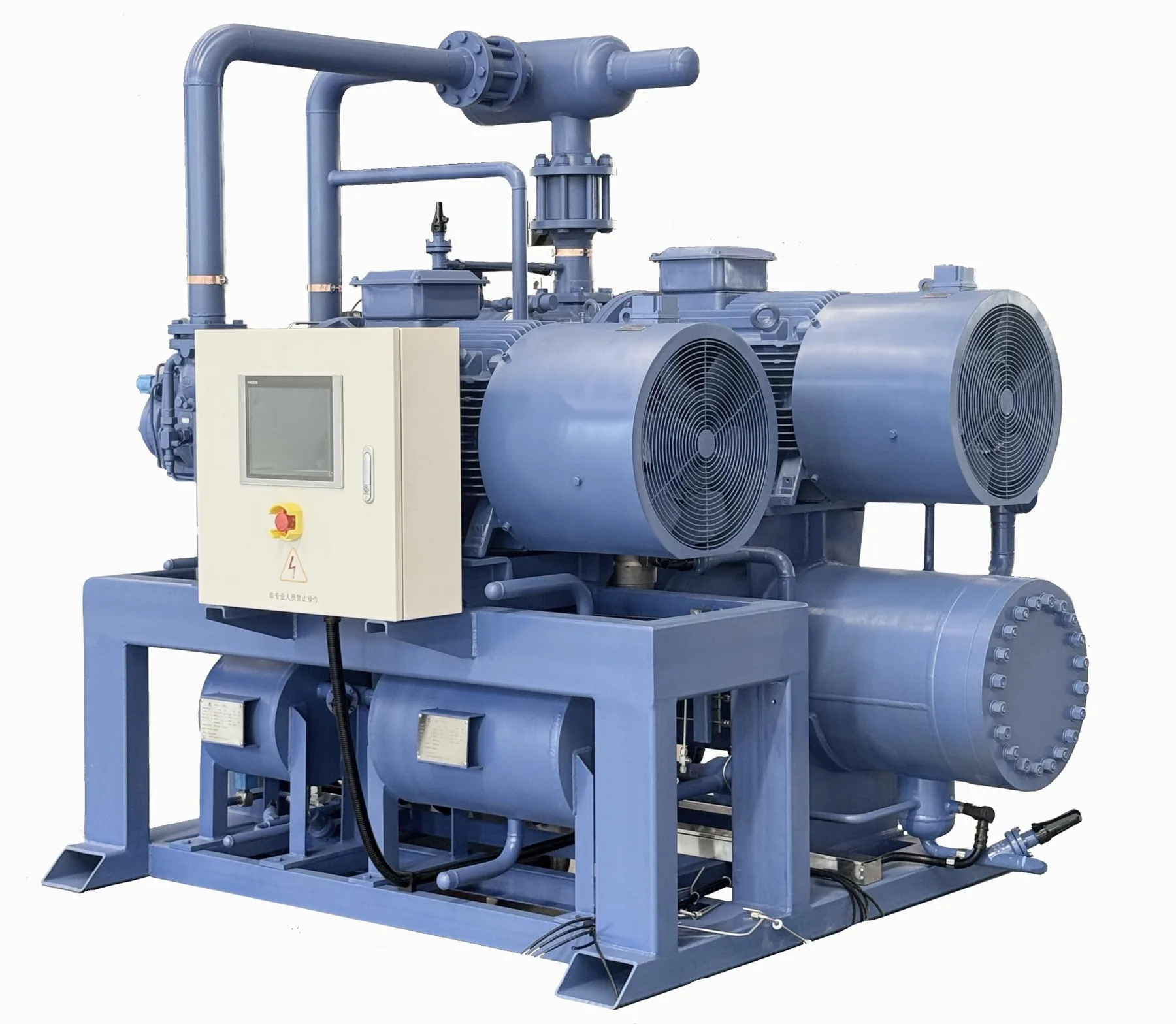
Equipment supply may include packages, air coolers, controls, valves and agreed accessories. Installation support can include connection information, drawings, technical clarification, access requirements or agreed coordination with local installation parties. The quotation should make clear which items are supplied and which are provided by local contractors.
Local installation often covers labour, lifting, piping erection, electrical connection, building works, insulation interfaces, drainage, permits and site safety procedures. These responsibilities vary by country and contract, so the project matrix names the party rather than assuming an all-inclusive global service.

04
Prepare commissioning, training and support around the installed system
Before start-up, the project needs the agreed site-readiness items, mechanical and electrical completion, controls points, drainage, access, documents and attendance plan. The precise test procedures and compliance records follow the installed design and local rules, while the project scope states who coordinates each activity.
Training can cover the installed equipment, operating information, alarms, maintenance access and handover records when it is included in the agreed scope. Remote support, if requested, depends on the controls, connectivity, access and named support responsibility; it is not assumed from a web page.
05
Keep partner roles factual and current
Current engineering and equipment partners are relevant when they supply or support a specific project. The project documents should identify the actual legal supply party, equipment source, technical contact and local installation responsibility. This protects customers from confusing a market-facing website with a manufacturing, contracting or certification claim.
If a customer needs evidence such as current technical data, approved configuration documents, permitted photos, installation records or a reference scope, those materials should be requested for the specific product and project. Where evidence is not available for public use, the page does not substitute invented case studies or performance numbers.
06
Use current evidence for technical and delivery decisions
A project benefits from current equipment data, a room and product brief, available drawings, permitted site photographs, installation requirements and a clearly named supply party. Where these records are available, they can be used to prepare the relevant technical content and delivery scope. Where they are not available, the next step is to request the missing data rather than substitute a historical claim or generic performance figure.
This approach keeps the customer discussion practical: what equipment is being considered, what conditions it must serve, which work is supplied, which local responsibilities remain and what evidence is needed before delivery or commissioning can be agreed.
07
Keep contacts and documents aligned through handover
The delivery record should identify the customer project lead, technical contact, current equipment supply party, local installer, commissioning contact and operations representative. It should also point to the latest scope, drawings, equipment list, open-item record and operating documents so that questions are directed to the right party.
This simple record supports a cleaner handover and makes later upgrades easier to discuss without confusing commercial coordination with manufacturing or installation ownership.
| Workstream | Typical activity | Project owner to identify |
|---|---|---|
| Project information | Collect product, room, site, drawings, utilities and scope | Client project lead and technical contact |
| Configuration | Align equipment families, operating conditions and interfaces | Equipment/engineering party with project team |
| Equipment supply | List packages, terminals, controls and agreed accessories | Current legal supply party and delivery terms |
| Local installation | Complete lifting, labour, piping, electrical, building and permits | Local contractor and site representative |
| Commissioning and training | Agree readiness, test scope, handover documents and attendance | Commissioning, supplier and operations parties |
| Support after handover | Define contacts, access, records and any agreed remote support | Named support and operating parties |
Questions to discuss
Frequently asked questions
Does the operator own the equipment factory?
No such claim is made. The imagery is not presented as the neutral operator’s assets.
Can a global installation scope be assumed?
No. Local engineering, installation, permits, utilities and commissioning responsibilities are confirmed by project and location.
A clear next step
Tell us what you need to store, cool or freeze.
Use the Project Brief Builder to capture the available product, condition, room, throughput and scope information.